
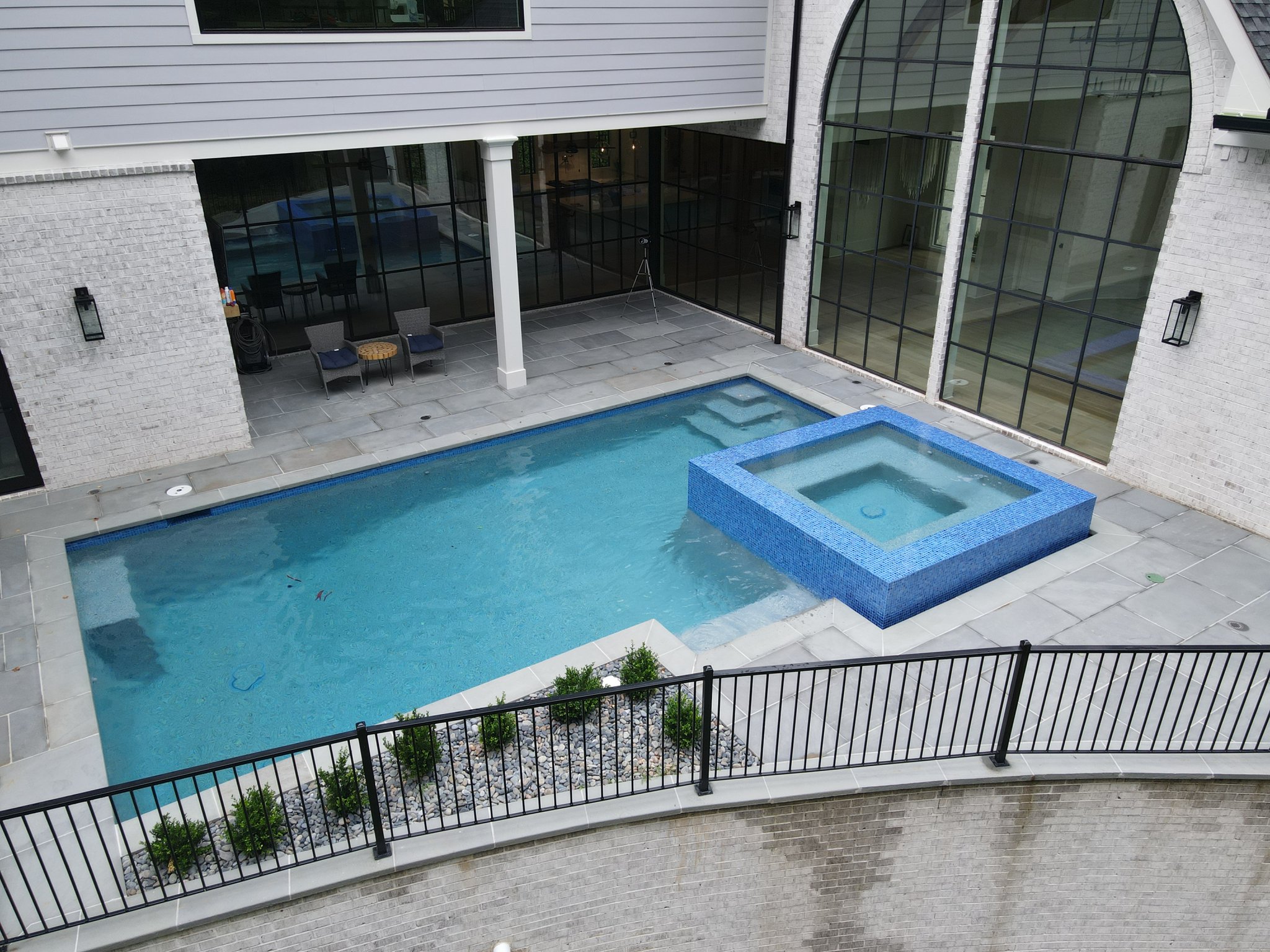
A new pool proposal can include a reassuring phrase: “warranty included.” That is a good starting point, but it is not the whole story.
A marketing promise, the signed pool builder warranty, and a manufacturer warranty are three different things. The builder commonly stands behind its installation and workmanship. A manufacturer may cover defects in a named product, such as a pool pump, heater, liner, light, or saltwater chlorine generator, under its own separate terms. Neither promise should be assumed to cover the other.
Before signing, make sure the coverage you expect appears in the contract, a clearly named addendum, and the applicable product documents. Keep required registrations and final records, too. A warranty is only as useful as the written agreement and the proof needed to make a claim.
“Before You Sign” Checklist
Use this “before you sign” checklist alongside the proposal. Initial each item only after the supporting document is attached or identified by title and date.
- Legal name, address, license information, and contacts for the builder
- Signature authority for the person signing on the provider’s behalf
- Warranty start date and the milestone that triggers it
- Pool shell type identified: gunite/concrete, fiberglass, or vinyl liner
- Structural defect definition and structural shell warranty term
- Workmanship coverage for all builder-installed work
- Labor responsibility when a manufacturer provides a replacement part
- Separate coverage for finish, tile, grout, coping, deck, drainage, and hardscape
- Exact equipment brand, product, model, and serial-number schedule
- Manufacturer registration requirements and deadlines
- Equipment coverage start date and duration
- Diagnostic, removal, shipping, reinstallation, programming, and start-up costs
- Written exclusions for chemistry, maintenance, freeze, weather, soil movement, and alterations
- Required claim notice method, recipient, and deadline
- Required photos, service records, water records, and other claim documentation
- Inspection rights, emergency-repair rules, and cure period
- Remedy: repair, replacement, refund, credit, or another stated option
- Deductible, service-call fee, dispute process, governing law, and damage limitations
- Transfer rules for the builder warranty and each manufacturer warranty
- Builder-closure contingency, escalation contacts, and attached warranty exhibits
The most useful way to organize these points is a contract matrix for every covered component, not one broad “pool warranty” sentence. For the shell, plumbing, finish, decking, and each equipment item, create a row with these exact fields:
- Warranty provider
- Term
- Defect definition
- Labor responsibility
- Deductible/service fee
- Repair or replacement remedy
- Notice deadline
- Governing law
- Transfer rules
Attach the completed matrix and all referenced warranty documents as contract exhibits before final signature.
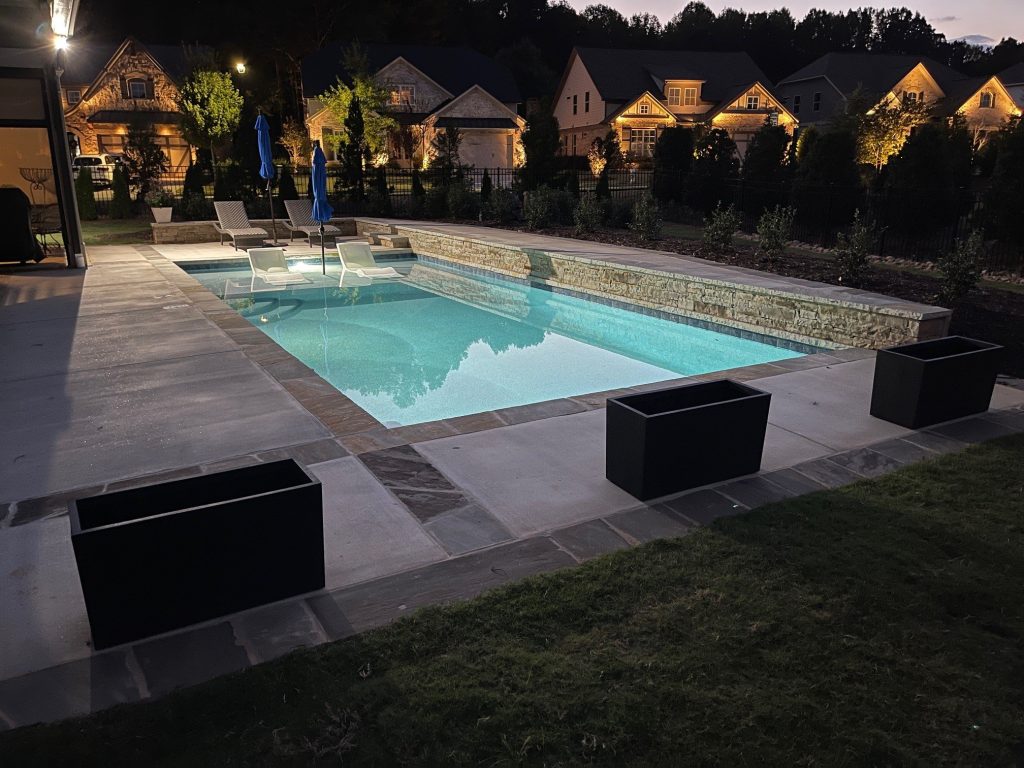
1. Name the Warranty Parties and Set the Effective Date
The contract should identify the builder’s or other warranty provider’s legal business name, physical address, license number, phone number, email address, and authorized signer. A trade name alone may not tell you who is legally responsible.
Just as important, define when each warranty begins. It could start at contract signing, substantial completion, final payment, plaster or start-up, equipment installation, or another milestone. Those dates are not interchangeable. A one-year workmanship term that starts at signing could expire well before a delayed project is fully operational.
Identify manufacturers separately for the pump, filter, heater, automation, lights, cleaner, and saltwater system. Each may have its own coverage term, registration requirement, and claim channel.
Sample educational clause: “Provider: [legal entity] warrants [identified work/product] beginning on [defined date] for [term]. The warranty document titled [title and date] is incorporated into this agreement as Exhibit [number].”
2. Define Structural Shell Coverage by Pool Type
A structural shell warranty needs to match the pool being built. Do not accept generic shell language without knowing what “structural” means in practical terms.
For a gunite pool or concrete pool, distinguish a true shell defect from cosmetic plaster cracking, surface discoloration, tile concerns, coping movement, or deck cracks. Ask whether covered structural defects include leaks through the shell, qualifying cracking, settlement-related damage, or loss of structural integrity. For background on construction terminology, see Georgia Classic Pool’s guide to gunite and shotcrete pools.
For fiberglass pools, ask for separate terms covering shell structure, gelcoat, osmotic blistering, installation support, and manufacturer transfer conditions. A shell warranty may not automatically cover cosmetic gelcoat changes or installation-related issues.
For a vinyl liner pool, separate the liner material and seams from the builder’s liner fit, installation, track, walls, floor, and leak-related workmanship. A liner manufacturer’s warranty does not necessarily cover leak diagnosis or reinstalling a replacement liner.
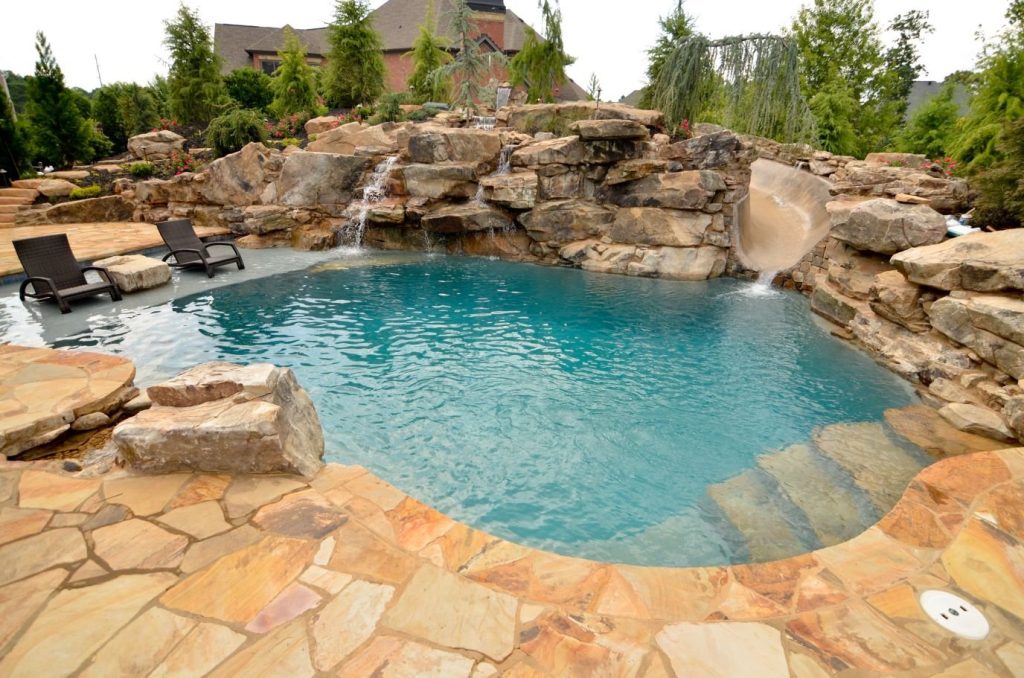
3. Put Workmanship and Labor Obligations in Writing
A workmanship warranty should name the builder-installed work it covers, including excavation, plumbing, electrical connections, waterproofing, equipment-pad installation, liner or finish installation, and start-up labor.
The critical question is often not whether a failed part is covered. It is who pays the labor around it. A manufacturer may approve a replacement part but exclude diagnostic visits, removal, shipping, reinstallation, water balancing, automation reprogramming, and start-up.
Ask the builder to state who diagnoses the issue and who pays labor after a manufacturer approves a claim. Also ask whether subcontracted work is covered by the builder, the subcontractor, or a separate warranty. The homeowner should not have to determine which trade is responsible before receiving a response.
4. Separate Finishes, Tile, Coping, Decking, and Hardscape Terms
A shell warranty does not automatically cover the visible surfaces around and inside the pool. Create separate contract rows for plaster or finish, tile, grout, coping, decking, drainage, and adjacent hardscape.
For example, a concrete shell could remain structurally sound while plaster discolors, tile loosens, coping shifts, or a deck develops settlement cracks. Those concerns may have different causes, providers, exclusions, and remedies.
Ask the contract to distinguish acceptable cosmetic variation from a covered defect. Define, where applicable, discoloration, craze cracking, delamination, loose tile, and settlement. Exclusions related to soil movement, drainage failures, freeze-thaw conditions, and maintenance should be specific. If drainage is included in the project scope, a sweeping drainage exclusion deserves close review.
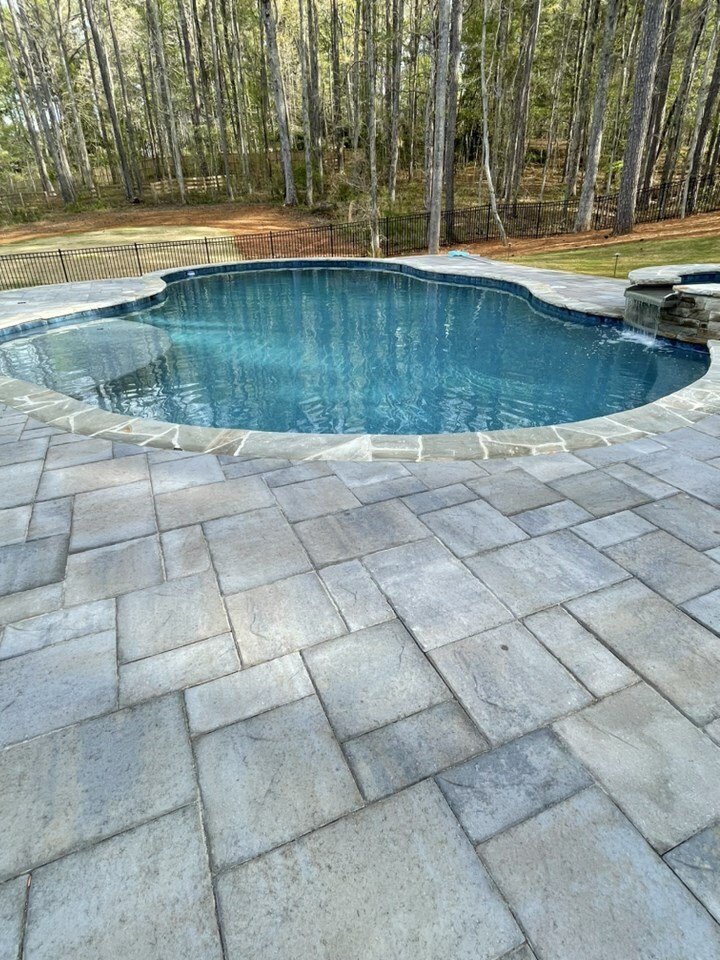
5. Inventory Every Equipment Warranty and Registration Requirement
Equipment coverage should be documented item by item. For every pool pump, filter, pool heater, cleaner, automation controller, light, and saltwater chlorine generator, record:
- Exact product name, brand, model, and serial number
- Manufacturer and manufacturer warranty term
- Registration requirement, deadline, and who completes it
- Coverage start date and duration
- Whether professional purchase or installation is required for eligibility
- Who pays diagnostics, removal, shipping, replacement, reinstallation, programming, and start-up labor
Keep a project file with the final invoice, equipment schedule, serial numbers, product manuals, registration confirmations, dated photos, and water-maintenance records. These records can be useful when a manufacturer asks for proof of ownership, installation, or care.
6. Review Exclusions Before You Rely on the Warranty
Most pool warranties exclude normal wear, improper water chemistry, poor maintenance, freeze damage, weather events, misuse, pests, ground movement, and owner or third-party modifications. Read every exclusion against the actual scope of work.
Phrases such as “acts beyond our control” and “improper use” can be too broad unless they include definitions or examples. Ask what specific condition would trigger the exclusion and who determines that it applies.
Red flag: An exclusion should not erase a builder’s responsibility for defective installation. If a problem may involve both a site condition and workmanship, the contract should explain how the provider will investigate and respond.
7. Confirm the Claim Process, Notice Window, and Remedy
A warranty term alone is not enough. You also need to know how to use it.
The contract should state the required notice method, the person or department receiving notice, the written notice deadline, and the photos or records required. Confirm inspection timing, whether emergency repairs require prior authorization, and how long the provider has to inspect and cure a confirmed defect.
Define the remedy. “Repair or replace at our sole discretion” may be common language, but it leaves important questions unanswered. If a repair requires opening decking or draining the pool, who restores finishes, decking, landscaping, water, and programming afterward?
Your matrix should also identify any deductible or service-call fee, limitation on incidental damage, dispute process, and governing law. A clear process is easier to follow when the issue is small and far easier to enforce when it is not.
8. Check Transferability, Resale Rights, and Builder-Closure Protection
Transferability is a separate question for the builder workmanship warranty, shell warranty, finish warranty, and every manufacturer warranty. Do not assume that selling the home transfers all remaining coverage.
For each document, ask whether transfer is automatic or approval-based; whether a fee, paperwork, or notice is required; the deadline after closing; whether the remaining term changes; and whether the original owner must have completed registration first.
Also plan for the possibility that a builder closes or becomes unavailable. Before construction begins, obtain current license and insurance details, subcontractor warranty contacts, manufacturer contacts, and proof of who is responsible for product registration. Ask for a documented escalation route if the original builder cannot respond.
Keep proof of payment, permits and inspections where applicable, completion records, equipment serial numbers, registrations, and all signed exhibits. Then attach your completed matrix to the final agreement. A clear contract cannot prevent every future problem, but it gives everyone a shared record of what was promised and how to handle a claim.
Frequently Asked Questions
Is a pool warranty transferable when you sell your home?
Only if the written warranty expressly permits transfer. Confirm whether transfer is automatic or requires a fee, paperwork, a deadline after closing, and approval from both the builder and each equipment manufacturer.
What happens to my pool warranty if the builder closes?
Manufacturer warranties may remain available if the product was registered and the new owner meets transfer terms. Builder workmanship coverage can be difficult to enforce if the company is dissolved. Ask for the builder’s insurance and license information, subcontractor warranties, manufacturer contacts, and a written escalation process before construction.
What is the difference between a pool builder warranty and a manufacturer warranty?
A builder warranty covers the contractor’s installation, workmanship, and sometimes the pool structure. A manufacturer warranty covers defects in a specific product, such as a pump, filter, heater, liner, or saltwater system. The contract should identify who supplies labor for diagnosis, removal, shipping, reinstallation, and start-up.
What should be included in a pool warranty contract?
Ask for the warranty term, covered-defect definition, exclusions, labor responsibility, deductible or service-call fee, notice deadline, repair-or-replacement remedy, governing law, dispute process, and transfer requirements. Incorporate every verbal promise into the signed agreement or a named warranty addendum.
What is usually excluded from a new swimming pool warranty?
Most contracts exclude normal wear, improper water chemistry, lack of maintenance, freeze damage, storms, ground movement, misuse, and alterations by another contractor. Require the contract to specify which component failures are excluded and why, rather than relying on a general exclusions sentence.
For homeowners planning a pool in the Atlanta area, Georgia Classic Pool can help you have a practical conversation about your proposal, build details, and the questions worth resolving before construction starts. Contact the team to discuss your project.