
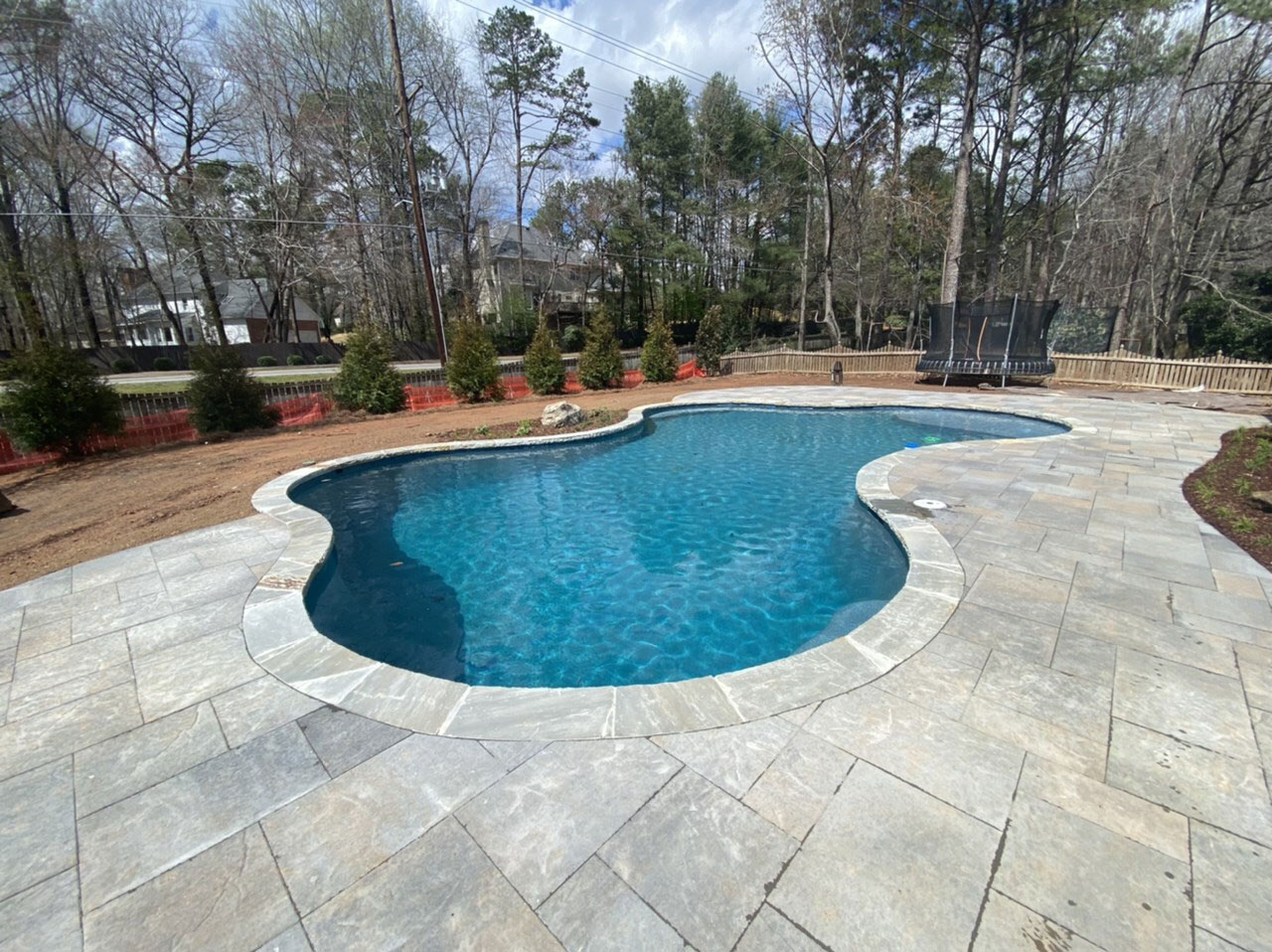
Choosing a pool builder is not simply a matter of finding a shape you like and comparing two prices. For homeowners in Alpharetta, Milton, Johns Creek, Sandy Springs, and Roswell, a backyard project often must work around a sloped lot, established landscaping, HOA requirements, drainage paths, and a home with a distinct architectural style.
That is where Georgia Classic Pool differs from a one-size-fits-all pool installer. The company is a family-owned builder with more than 20 years of experience, focused on custom pools and coordinated outdoor living spaces. The goal is not just to place a pool in the yard. It is to help homeowners make informed decisions about how the pool, spa, decking, gathering areas, and surrounding landscape work together before construction begins.
For a homeowner evaluating builders, that approach matters. A well-designed backyard needs a clear plan, a defined scope, practical site planning, and a team that can communicate through the decisions that affect cost, schedule, and long-term enjoyment.
What to verify before signing a contract
- Experience and ownership: Georgia Classic Pool states that it is family-owned and brings 20+ years of pool-building experience. Ask how that experience applies to your project type and site.
- License and insurance: Request current applicable Georgia contractor licensing information and a current Certificate of Insurance (COI) for your project.
- Warranty: Request written warranty terms, including covered components, duration, exclusions, and the process for submitting a claim.
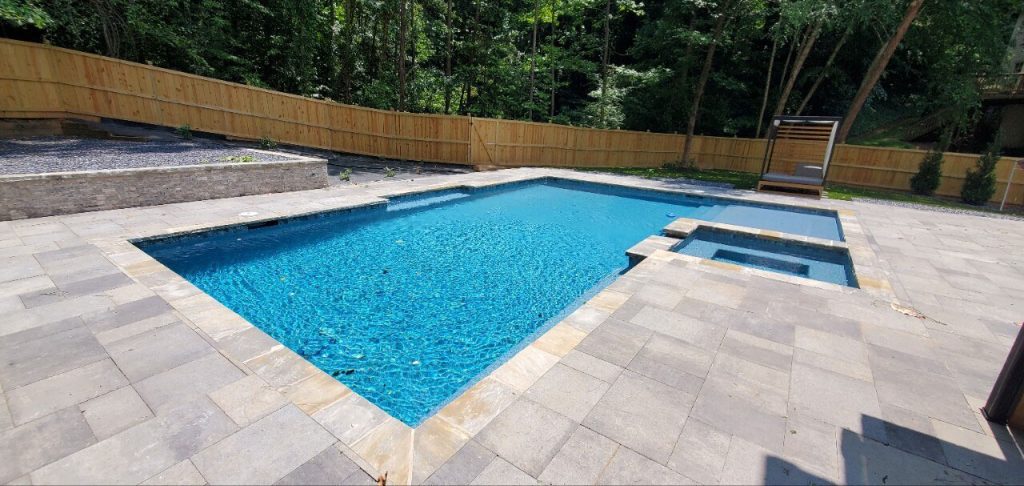
A Custom Design Process Built Around Your Backyard
The best time to solve a backyard problem is before equipment reaches the property. Georgia Classic Pool uses 3D pool design as a decision-making tool, giving homeowners a clearer way to review the proposed layout before construction.
The process starts with a conversation about how the family wants to use the space. Some homeowners want a quiet retreat with a spa and lounge space. Others need a backyard that can handle children, guests, outdoor dining, and weekend gatherings. Those preferences shape the design, but the property itself shapes it too.
During design development, homeowners should expect to review details such as:
- Pool shape, size, orientation, and placement
- Spa location and how it connects to the pool
- Decking areas, steps, and transitions from the house
- Elevations where the yard slopes or the pool sits above or below nearby areas
- Circulation paths between doors, seating, grilling, pool access, and landscape zones
- Placement of water features, fire features, equipment, and lighting
- Potential locations for an outdoor kitchen, covered gathering area, pergola, or arbor
A 3D rendering cannot eliminate every field adjustment, but it makes the important conversations more concrete. A homeowner can see whether the tanning ledge is in the preferred sun exposure, whether a fire feature competes with a view, or whether there is enough clear walking room between a dining area and the pool edge. Those decisions are much easier to make on a rendering than after the decking is installed.
North Atlanta properties also require honest planning around site realities. A sloped Milton backyard may call for a different layout than a flatter lot in Johns Creek. Existing patios, mature trees, drainage routes, limited side-yard access, retaining needs, and soil conditions can all affect engineering, construction methods, scope, and price. A custom design process should bring those questions forward rather than treating them as afterthoughts.
Integrated spas, tanning ledges, water features, fire features, outdoor kitchens, and covered gathering areas may be available design options. Availability, specifications, and inclusion should be confirmed in the project proposal.
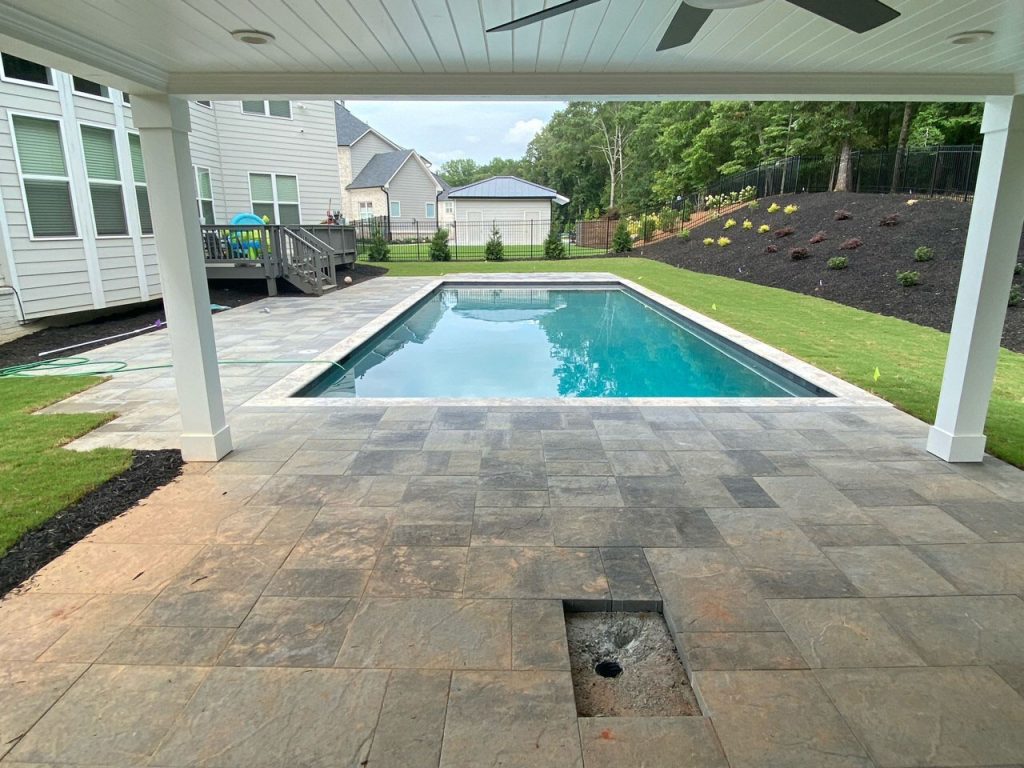
One Coordinated Vision for the Pool and Outdoor Living Space
A pool is often the center of a larger backyard transformation. When the pool plan is developed separately from the hardscape and entertaining areas, homeowners can end up with awkward transitions, undersized decks, drainage issues that weren’t considered early enough, or a space that feels pieced together.
Georgia Classic Pool can plan and coordinate a broader outdoor living vision that may include the following components.
Core pool construction may include:
- A custom swimming pool
- Optional integrated spa features
- Pool equipment and circulation systems
- Interior finishes, coping, and waterline selections as specified
- Pool lighting and selected water features as specified
Outdoor-living and site components may be added by separate proposal or defined scope:
- Pool decking and hardscape
- Patio extensions, walkways, and entertainment zones
- Landscape integration and transitions
- Fire features
- Outdoor kitchens and grilling areas
- Pergolas, arbors, and covered gathering areas
- Drainage, retaining, access, and other site-related work where needed
The exact division of work should never be assumed. Homeowners should ask which items Georgia Classic Pool performs directly, which are coordinated with qualified trade partners, and which are outside the agreement. The value of a coordinated plan is not a promise that every trade is in-house. It is a clearer way to align the pool, decking, drainage, landscape transitions, and gathering spaces around one finished vision.
Homeowners can view our North Atlanta pool projects to evaluate finished craftsmanship, styles, and the relationship between pools and surrounding outdoor spaces.
What North Atlanta Projects Require Before Construction Starts
A good project begins well before excavation. While requirements vary by municipality, neighborhood, and lot, most North Atlanta pool projects involve a series of preconstruction checkpoints:
- Site assessment and initial feasibility. The property is evaluated for access, grade, drainage, existing structures, utilities, and the homeowner’s goals.
- Design review and scope approval. The homeowner reviews the proposed pool and related outdoor-living elements, then confirms the design and defined scope.
- HOA review where required. Many communities require architectural review and may have rules governing setbacks, fencing, materials, construction access, or visible equipment.
- Permitting and applicable engineering. Requirements differ among Alpharetta, Milton, Johns Creek, Sandy Springs, Roswell, and surrounding jurisdictions.
- Construction scheduling. The schedule must account for approved plans, permit timing, site access, weather, material availability, and the total project scope.
Georgia Classic Pool should define its specific permit and HOA role in writing for each project. Before signing, ask who prepares plans, who submits documents, who responds to review comments, what fees are included or excluded, and who tracks approval status. A homeowner should also understand what information the HOA may require.
No reputable builder should promise a universal construction timeline or a final price before the design, approvals, and site conditions are known. Design complexity, weather, excavation conditions, drainage needs, access limitations, and the amount of hardscape or outdoor-living work can all change the plan.
For more useful questions to bring into the evaluation process, read Key Questions to Ask a Pool Contractor. You can also see how the pool-building process works during the plumbing and rebar stage of construction.
Georgia Classic Pool vs. What to Verify With Any North Atlanta Builder
Price matters, but it is not an apples-to-apples comparison when bids include different equipment, finishes, hardscape, engineering, drainage, access work, or outdoor-living features. Use the following comparison points to evaluate Georgia Classic Pool and every other builder under consideration.
Design visualization
Georgia Classic Pool: Ask to review the 3D design process and the decisions shown in the design, including pool placement, decking, elevations, circulation, and optional features.
Ask any builder: “Will I see a design that lets me evaluate the pool, spa, decking, elevations, and outdoor-living layout before construction?”
Written project scope
Georgia Classic Pool: Request a proposal that separates included pool work from optional hardscape, landscape integration, and outdoor-living additions.
Ask any builder: “Is every included component, allowance, exclusion, and change-order process clearly written?”
Permit and HOA support
Georgia Classic Pool: Confirm the company’s project-specific role in preparing, submitting, and responding to permit and HOA documentation.
Ask any builder: “Who prepares plans, submits documents, answers review comments, and tracks approvals?”
Site, drainage, and access planning
Georgia Classic Pool: Discuss grade, drainage, soil conditions, equipment access, existing structures, and any anticipated engineering early in design.
Ask any builder: “Is excavation, drainage and access work clearly scoped?”
Construction communication
Georgia Classic Pool: Ask who will be the primary point of contact, how updates are provided, and how field changes are documented.
Ask any builder: “Who communicates with me during construction, and how are schedule changes or scope changes handled?”
Warranty
Georgia Classic Pool: Request the current written warranty and confirm which pool, equipment, finish, and workmanship categories are covered, along with exclusions.
Ask any builder: “Can you provide written warranty terms before I sign?”
Maintenance and service
Georgia Classic Pool: Confirm startup, equipment orientation, service availability, and the recommended care plan after handoff.
Ask any builder: “What support is available after startup, and who do I call for equipment or maintenance questions?”
Reviews
Georgia Classic Pool: Review current third-party feedback and look for consistent, specific themes rather than relying on a rating alone.
Ask any builder: “Can I review recent, independently posted customer feedback relevant to projects like mine?”
Insurance verification
Georgia Classic Pool: Request current insurance verification for the project, including a Certificate of Insurance.
Ask any builder: “Can you provide a current COI and written warranty terms?”
Credentials, Warranty, and Support After the Build
Credentials should be easy to verify, not simply displayed as a badge. Before contracting, ask Georgia Classic Pool to provide the applicable current Georgia contractor licensing or registration information for the work being performed, along with active insurance verification. A current Certificate of Insurance should identify the insured party, policy dates, coverage types, and any applicable project-specific requirements.
Likewise, only affiliations, certifications, and awards that can be named with an issuing organization and year should be published. If a credential cannot be verified, it should not influence the decision.
Warranty questions deserve the same level of care. Request the current written warranty and read it alongside manufacturer warranties for equipment or materials. Confirm coverage categories, claim procedures, maintenance obligations, transferability if relevant, and exclusions related to misuse, weather, drainage, soil movement, or third-party work.
After the build, homeowners should understand what the handoff includes. Confirm whether startup is included, how equipment orientation is handled, what documents are provided, and what ongoing care or service options are available. To explore available support, review warranty and ongoing pool service options.
Frequently asked questions
Is Georgia Classic Pool licensed and insured for North Atlanta pool projects?
Georgia Classic Pool should provide applicable current licensing or registration documentation and proof of active insurance for the project scope before contract execution. Ask for the relevant Georgia contractor licensing details and a current Certificate of Insurance (COI). Homeowners should request the same documentation from every builder they consider.
Does Georgia Classic Pool help with permits and HOA approvals?
A qualified builder should help define permit and HOA submittal requirements early, but approval timing varies by municipality and community. Confirm in the written scope who prepares plans, submits documents, responds to review comments, pays applicable fees, and tracks approvals. HOA rules, municipal permits, and project-specific engineering can affect both timing and design.
How should I compare Georgia Classic Pool with other North Atlanta pool builders?
Compare design clarity, written scope, permit and HOA support, site and drainage planning, construction communication, warranty terms, maintenance options, insurance verification, and recent local reviews. Do not compare only the initial price. A lower bid may omit necessary site work, drainage, finishes, equipment, engineering, or outdoor-living elements needed to complete the backyard.
How long does a custom pool project take in North Atlanta?
The timeline depends on design complexity, permitting and HOA review, site conditions, weather, material availability, and the extent of pool, hardscape, and outdoor-living work. Ask for a project-specific schedule after the site consultation and design phase, and confirm how approval delays or site discoveries are communicated.
See Whether Georgia Classic Pool Fits Your Project
Georgia Classic Pool may be a strong fit for North Atlanta homeowners who value custom design, a clearly defined scope, local site planning, and a backyard that brings the pool and outdoor-living areas together. It is especially worth a conversation when the property has slopes, drainage considerations, limited access, an HOA process, or a larger vision than a standalone pool.
Before booking, review finished work, ask detailed scope questions, and understand the construction stages. A site consultation is the appropriate next step to confirm feasibility, approvals, final design, price, and schedule.
If you are planning a project in Alpharetta, Milton, Johns Creek, Sandy Springs, Roswell, or nearby North Atlanta, contact Georgia Classic Pool with your location, lot considerations, desired features, and approximate project goals. An early, clear conversation can help turn a promising backyard idea into a practical, well-planned project.