
A new pool can make a Georgia backyard feel like the place everyone wants to be all summer long. But the best pool-opening plans begin well before the first day of swimming. The question is not simply, “How long will crews be in my yard?” It is, “When do I need to begin so the pool is ready when my family wants to use it?”
For most Georgia homeowners, the full project calendar runs about 8 to 30+ weeks, depending on pool type, design complexity, site conditions, approvals, and the permitting authority serving the property.
A practical end-to-end range is:
- Vinyl liner pool: approximately 10–18 weeks
- Custom gunite or shotcrete pool: approximately 16–30+ weeks
Those ranges include the work that happens before excavation: site evaluation, design, engineering, selections, HOA review, permitting, scheduling, and material coordination. Active work in the backyard may take only a portion of that calendar, but the preconstruction phase often determines whether a summer opening is realistic.
Planning for Memorial Day? Start contractor selection, site evaluation, design, and approvals in the prior fall or no later than January. A custom gunite pool, significant hardscape, spring rain, or a slower permit review can push a late-winter start beyond Memorial Day.
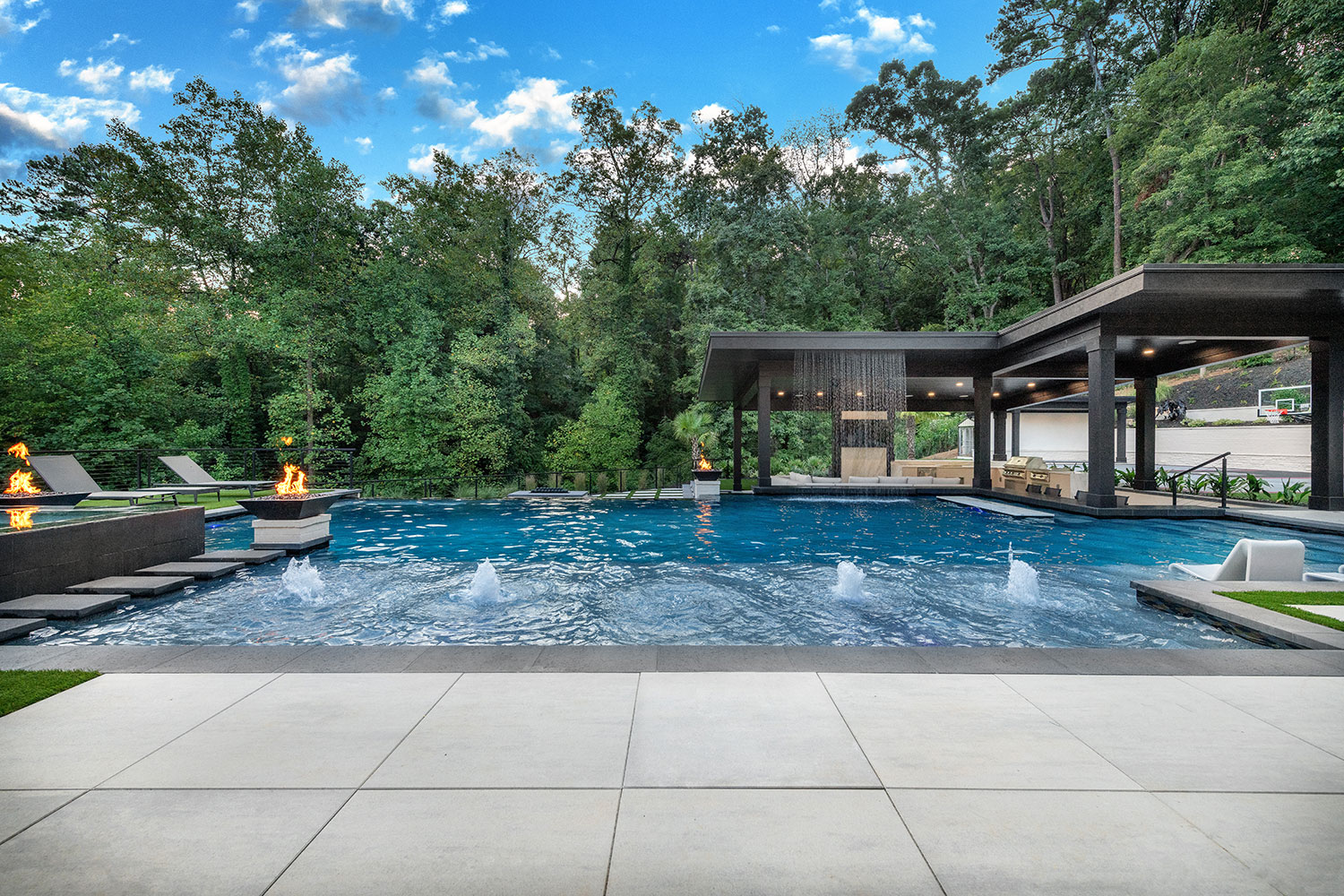
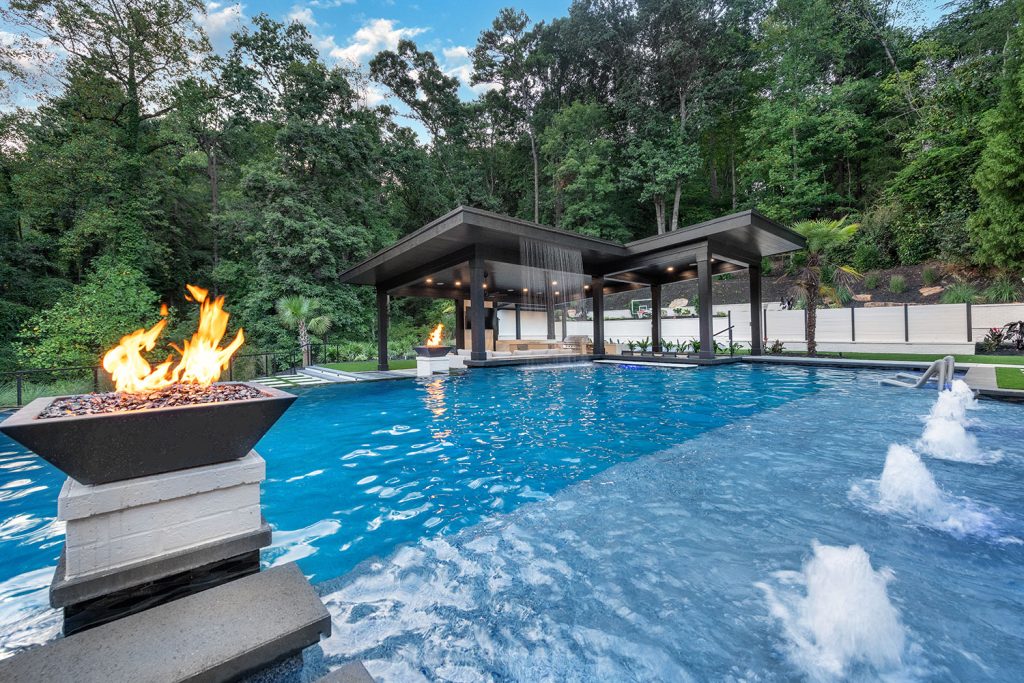
The finished pools in Georgia Classic Pool’s pool gallery show how much a backyard plan can vary from one property to the next. The same is true of each project’s timeline.
Georgia Inground Pool Timeline at a Glance
A pool project moves in sequence. Some items can overlap, but you can’t skip key dependencies. Permit issuance, for example, generally comes before excavation, while the barrier and final inspections can affect the legal handoff and first swim date.
Consultation and site assessment
Typical duration: 1–2 weeks
What must happen first: The homeowner identifies priorities, budget range, desired swim date, and general pool type. A site visit then evaluates access, grade, existing drainage, utilities, property constraints, and the likely equipment path.
Georgia weather exposure: Usually low, though prolonged rain can make it harder to assess muddy access areas or saturated soil conditions accurately.
Inspection trigger: None at this stage.
Design, selections, and engineering
Typical duration: 2–8 weeks, sometimes longer for highly customized projects
What must happen first: Site information, homeowner decisions, and a defined scope are needed before plans can be completed. Structural engineering may be needed based on the pool, retaining walls, slopes, or other project features.
Georgia weather exposure: Low for design work, although field verification or survey work can be delayed by weather.
Inspection trigger: Plans must be complete enough for submission when engineering or jurisdictional review is required.
HOA approval
Typical duration: 2–6+ weeks
What must happen first: Many HOAs need a site plan, elevations, fence details, and material selections before reviewing a request.
Georgia weather exposure: None directly.
Inspection trigger: None, but HOA approval may be required before work begins under neighborhood rules.
Permit review
Typical duration: 2–8+ weeks, depending on jurisdiction, completeness of the application, and review volume
What must happen first: The permit package may require a site plan, setbacks and easements, pool location, barrier information, electrical details, and drainage or grading documentation where applicable.
Georgia weather exposure: None directly, though review backlogs often become more noticeable during busy spring construction periods.
Inspection trigger: Permit issuance is generally required before excavation begins.
Excavation
Typical duration: Several days to 2 weeks
What must happen first: Approved plans, permit issuance when required, schedule confirmation, utility coordination, and clear equipment access.
Georgia weather exposure: High. Spring and summer thunderstorms can turn Georgia red clay into difficult, muddy excavation conditions. Rock, slope, and groundwater can also change the duration.
Inspection trigger: Some jurisdictions require a preconstruction or early-stage inspection. Confirm the local sequence before work starts.
Structural shell or pool set
Typical duration: About 1–3 weeks for many vinyl shell stages; 2–6+ weeks for gunite or shotcrete forming, steel, and application
What must happen first: Excavation must be complete, and the pool base or structural preparation must be ready.
Georgia weather exposure: Moderate to high. Rain can interrupt work, and concrete or shotcrete placement must be coordinated with suitable curing conditions.
Inspection trigger: Structural, steel, or bonding-related checkpoints may apply depending on pool type and local requirements.
Plumbing and electrical
Typical duration: About 1–3 weeks, often overlapping with shell work
What must happen first: Define the pool structure, equipment location, and plumbing routes.
Georgia weather exposure: Moderate. Open trenches and electrical work may pause during heavy rain.
Inspection trigger: Plumbing, electrical, and bonding inspections may be required. Electrical work must align with applicable requirements, including the National Electric Code (NEC) as adopted and enforced locally.
Decking and coping
Typical duration: 1–4+ weeks
What must happen first: The shell must be ready, underground work must be complete, and drainage details must be established.
Georgia weather exposure: High. Rain affects grading, base preparation, concrete placement, masonry, and concrete curing.
Inspection trigger: Requirements vary. Some inspections occur before concrete or decking covers certain work.
Interior finish, fill, and startup
Typical duration: Several days to 2 weeks
What must happen first: For gunite or shotcrete pools, tile, coping, and surface preparation must be complete before plaster or pebble finishes. Vinyl projects have different final-stage sequencing.
Georgia weather exposure: Moderate to high. Finish application and curing can be sensitive to rain, temperature, and scheduling conditions.
Inspection trigger: Final equipment, electrical, and barrier requirements may need to be ready before final approval.
Final inspection and pool barrier inspection
Typical duration: Several days to 2+ weeks, depending on appointment availability and corrections, if any
What must happen first: The barrier, gates, alarms where required, equipment, and applicable electrical work must be complete.
Georgia weather exposure: Low, except when weather delays the work needed to reach inspection readiness.
Inspection trigger: A pool barrier inspection and final approval are commonly required before legal completion. Always verify the current inspection sequence with the governing jurisdiction.
For a closer look at the stages between planning and completion, see Georgia Classic Pool’s overview of how long it takes to build an in-ground pool.
How Long Each Type of Inground Pool Takes in Georgia
The right pool isn’t always the fastest. Each construction method has a different sequence, material lead time, and level of customization.
Vinyl liner pool: about 10–18 weeks total
A vinyl liner pool typically involves excavation, wall installation, floor work, plumbing, concrete or structural elements, liner installation, filling, and final completion. The availability of wall components and the custom liner can affect the sequence.
Best-case total timeline: Around 10–12 weeks
Typical total timeline: Around 10–18 weeks
Active on-site time: Often 5–10 weeks, depending on weather and outdoor-living scope
Weather matters because concrete, decking, grading, and liner-stage preparation need appropriate conditions. A custom shape, integrated spa, broad deck, or retaining work adds coordination and time.
Gunite or shotcrete pool: about 16–30+ weeks total
Custom gunite and shotcrete pools offer the greatest design flexibility, but their timeline includes more field-built stages. Excavation is followed by steel, plumbing, structural application, curing, tile, coping, decking, an interior plaster or pebble finish, filling, startup, and final inspections.
Best-case total timeline: Around 16–20 weeks
Typical total timeline: Around 16–30+ weeks
Active on-site time: Often 8–16+ weeks, with pauses between trades and curing or finish stages
Gunite and shotcrete are often discussed together, but they are different application methods. Georgia Classic Pool explains those distinctions in this guide to gunite and shotcrete pools.
Across all pool types, features such as spas, tanning ledges, vanishing edges, retaining walls, outdoor kitchens, fireplaces, elaborate lighting, and extensive hardscape can extend the schedule. From a construction standpoint, they’re not small add-ons. They create additional design, engineering, material, and inspection coordination.
When to Start Building for a Memorial Day, June, July, or Fall Opening
Start with the date you want to swim, then work backward with room for approvals and weather. These are conservative planning windows, not completion guarantees.
Memorial Day opening
Start planning: Prior fall or no later than January
A Memorial Day target is most achievable when you select the pool type and scope early, complete plans promptly, move approvals without revisions, and the site doesn’t reveal major excavation issues. Custom gunite work and extensive outdoor living improvements should generally begin even earlier.
A late-winter start can still miss Memorial Day if permit review, wet spring conditions, custom details, material lead times, or major hardscape enter the picture.
June opening
Start planning: January–February
A June opening provides slightly more flexibility than Memorial Day, but the same preconstruction work must still happen before excavation. Homeowners who wait until spring may find contractor schedules tightening just as permits and weather become less predictable.
July opening
Start planning: February–March
A July goal can be realistic for a straightforward vinyl liner project with timely decisions and favorable site conditions. For a custom gunite pool or a complex property, earlier is still better.
Fall swimming target
Start planning: Spring or early summer, depending on pool type and complexity
Fall is often an excellent target for homeowners who want a more measured process and a pool that is established before the following spring. Georgia construction can continue well beyond summer, and fall or winter may offer more planning capacity than late winter and spring, when demand often rises sharply.
That does not mean fall or winter construction is automatically less expensive. Pricing depends more on scope, materials, engineering, access, excavation, and site work than the calendar month.
Georgia Weather, Soil, and Site Conditions That Change the Schedule
Georgia’s climate allows pool construction during much of the year, but it does not eliminate weather-related scheduling risk.
Spring and summer thunderstorms can pause excavation, saturate access paths, delay grading, and complicate concrete, masonry, and finish scheduling. A few days of rain can create more than a few days of impact if crews must wait for soil to dry, reshuffle trade schedules, or restore a workable base.
Georgia red clay is another major variable. It can be stable in the right conditions but challenging when wet. Rock removal can add equipment needs and time. Difficult access, steep grades, or the need for slope stabilization may also change both the schedule and project scope.
Winter is workable, but it requires realistic planning. Freeze events, saturated soil, and freeze-thaw conditions can affect excavation, concrete curing, shotcrete work, coping, masonry, and the sequencing of plaster or other interior finishes. The project may continue, but not every construction task should proceed under every weather condition.
Conditions in the Metro Atlanta area include Georgia red clay, tight access, and busy inspection demand can influence timing. Georgia Classic Pool serves different local conditions across its service areas, which is one reason a site visit matters before anyone commits to an opening date.
Permits, HOA Approval, and Inspections: Why Georgia Timelines Vary by Address
A metro Atlanta mailing address does not automatically tell you which office permits a pool. Your property may be governed by a city, a county, or another local authority. Confirm the jurisdiction before setting expectations around review times and inspection requirements.
For example, Cobb County Community Development and the City of Sandy Springs permit information represent separate local jurisdictions with their own processes and requirements. Homeowners should verify whether their address falls under city or county authority before submitting plans.
Common review inputs can include:
- A site plan showing the pool location
- Property lines, setbacks, and easements
- Barrier and gate details
- Electrical plans and equipment placement
- Drainage or grading documentation when required
- Structural or engineering information for walls, slopes, or other site features
During construction, the jurisdiction may require permit issuance before work begins, plus electrical, plumbing, bonding, or other inspections as applicable. A pool barrier inspection and final approval are often among the last steps. Requirements can change, so confirm the current sequence directly with the local authority.
How to Keep Your Georgia Pool Project on Schedule
No homeowner can control weather or a jurisdiction’s inspection calendar, but early decisions reduce avoidable delays.
Use this checklist before committing to a desired opening date:
- Choose the pool type early.
- Approve design selections promptly.
- Ask the HOA for its pool-submittal requirements before final design is complete.
- Confirm property lines, easements, setbacks, and drainage considerations.
- Protect equipment access by identifying gates, trees, overhead lines, slopes, or other obstacles early.
- Reserve contingency for rock, soil, drainage, retaining, and weather-related conditions.
- Book early when targeting spring or summer, because contractor availability tightens as demand rises.
It is also wise to ask for separate target dates for:
- Design completion
- Permit submission
- Permit issuance
- Excavation start
- Shell completion or pool set
- Decking and coping
- Final inspection
- Startup and orientation
A clear schedule does not promise that every day will go exactly as planned. It does make dependencies visible, so homeowners can make better decisions before the season is already underway.
If you have a preferred swim date, start with a conversation about your pool type, property jurisdiction, site conditions, and outdoor-living goals. Georgia Classic Pool can help you build a practical path from design to first swim, whether you are planning for this summer, fall, or next spring.
Frequently asked questions
When should I start building a pool in Georgia to be ready for summer?
For a Memorial Day opening, begin contractor selection, design, and site evaluation in the prior fall or no later than January. Engineering and permitting can take several weeks before excavation begins, while spring weather, contractor schedules, and inspection queues can extend the field schedule. For a June target, start by January or February. For July, start by February or March.
How long does it take to build an inground pool in Georgia?
Vinyl liner projects commonly need about 10–18 weeks. Custom gunite or shotcrete pools often require 16–30+ weeks, including design, engineering, permitting, and outdoor-living work. Active on-site work is shorter than the full homeowner timeline because planning and approvals occur before excavation.
Is winter a good time to build a pool in Georgia?
Georgia can support pool construction year-round, but winter rain, freeze events, wet soil, and freeze-thaw conditions can affect excavation, concrete or shotcrete curing, masonry, and finish work. Winter may offer better contractor planning availability, but it is not automatically cheaper. Scope, materials, access, and site work affect pricing more than the month alone.
How long do Georgia pool permits and inspections take?
Permit timing depends on the jurisdiction and project scope, including whether the property is governed by a city or county. Plans may require zoning review, site and drainage information, structural or electrical details, and construction inspections. Confirm requirements directly with the authority serving your address, since Cobb County Community Development and the City of Sandy Springs, for example, are separate permitting authorities.
At Georgia Classic Pool, we understand that you and your family want to start enjoying your new pool as soon as possible, and it all starts with a conversation with our team.
Get started today by calling 678-736-7966 or filling out our form.