
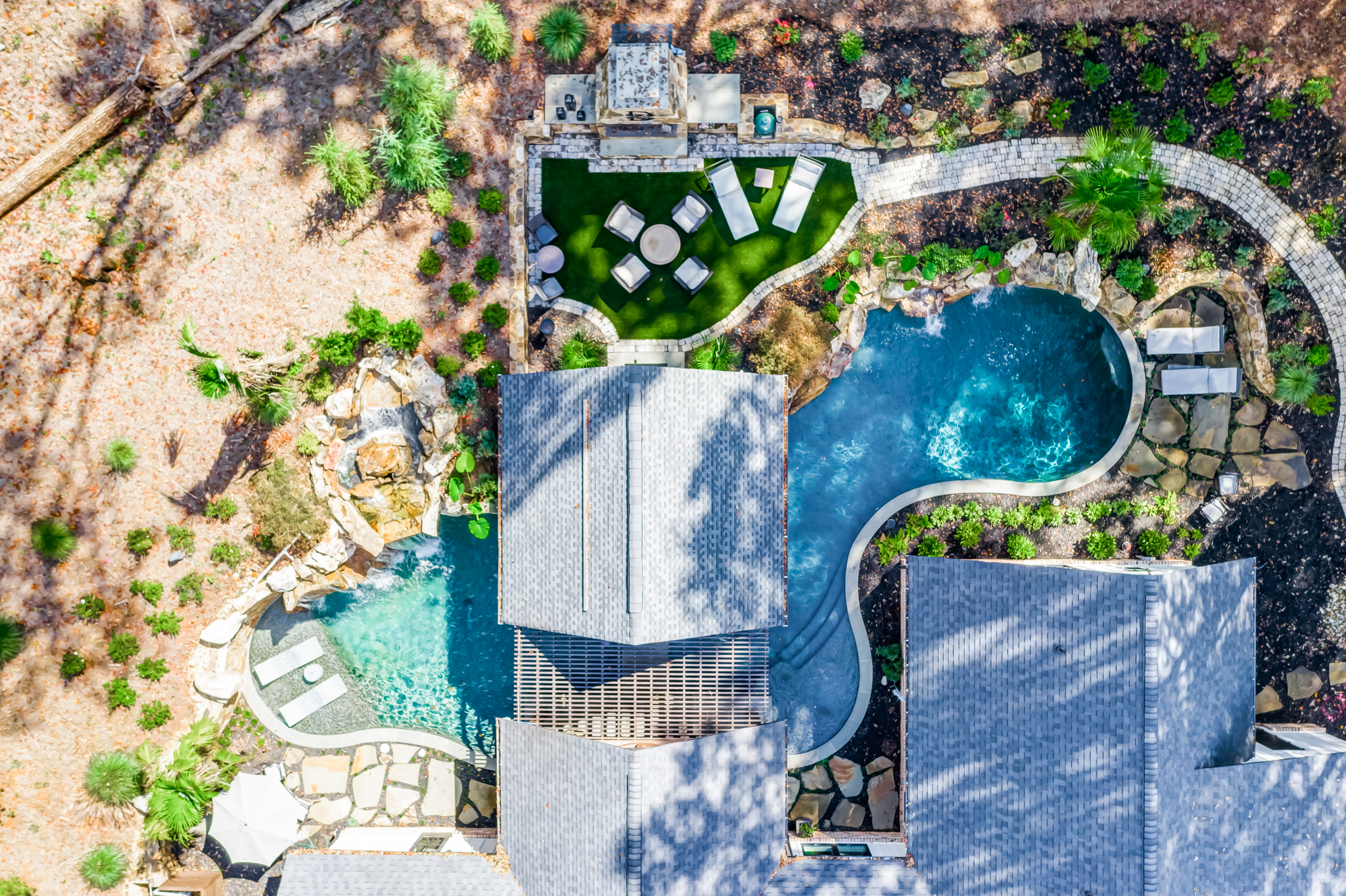
A beautiful pool plan can stall before the first piece of equipment arrives if you don’t handle the permitting details in the right order. In Cobb County, the most important first step is not choosing tile, decking, or a pool shape. It is confirming who has authority over your property.
A Cobb County mailing address does not always mean Cobb County Community Development will issue the permit. Your home may be in unincorporated Cobb County, the City of Marietta, or another incorporated municipality with its own building department and process. Confirm jurisdiction with your address and parcel information before you prepare final plans, pay fees, or schedule excavation.
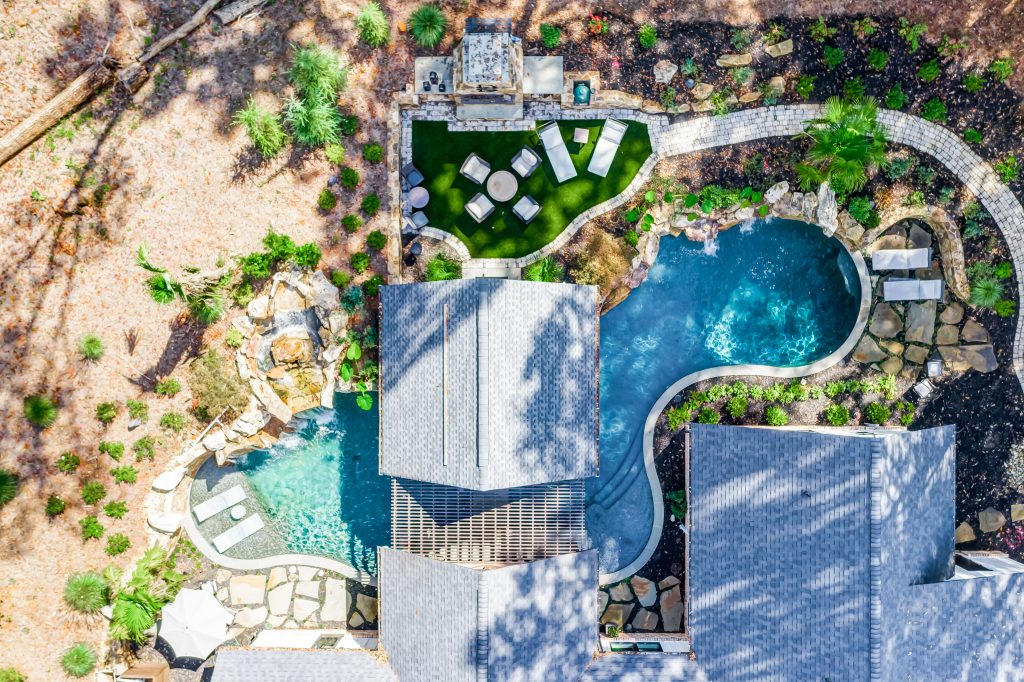
Cobb County Inground Pool Permit Checklist
Most residential inground pools require permit approval before you begin excavation or construction. A clear sequence helps keep design, site work, inspections, and final approval moving together.
- Confirm whether unincorporated Cobb County or your city issues the permit.
- Prepare the pool design and detailed site plan.
- Confirm your contractor meets Cobb County’s Certified Builder Professional (CBP) requirement, and collect the contractor affidavits, business materials, and identification documents the jurisdiction requires.
- Address septic, setbacks, barriers, drainage, utilities, and easements before submitting.
- Submit a complete application package and allow time for plan review.
- Schedule required inspections as construction reaches each stage.
- Complete barrier requirements and obtain final approval before considering the project finished.
The permit is not simply paperwork. It’s where the pool design meets the realities of your particular lot.
Step 1: Confirm Whether Cobb County or Your City Issues the Permit
Start with the property address and parcel, not the mailing address alone. A home may have a “Marietta, GA” postal address but be in unincorporated Cobb County, or it may fall within the City of Marietta’s municipal limits and be subject to city review.
City requirements can differ from county requirements. The permitting authority, submittal method, review questions, inspection scheduling process, and documentation details may all change by jurisdiction.
Unincorporated Cobb County and City of Marietta pool permit guidance
Unincorporated Cobb County
- Permitting authority: Cobb County Community Development
- Where to start: Contact Cobb County Community Development with the property address or parcel information to verify jurisdiction, permit type, current application requirements, and submission instructions.
- Process considerations: County residential pool submissions often require pool design, site-plan details, barrier documentation, a contractor affidavit, contractor business and driver’s license materials, and, when applicable, septic-system approval. Cobb County also requires the pool contractor to have a Certified Builder Professional (CBP) on staff.
- Additional coordination: Depending on the scope and site, Cobb County Fire Marshal review or other county review may be relevant. Confirm this before submission rather than assuming every pool follows the same path.
City of Marietta
- Permitting authority: City of Marietta building or permitting department
- Where to start: Contact the City of Marietta using the property address to confirm city limits, required documents, current permit application process, fees, and inspection scheduling.
- Process considerations: The city may use different forms, workflows, review standards, or documentation expectations than unincorporated Cobb County.
- Important reminder: Do not submit county documents to the city, or city documents to the county, without first confirming which authority governs your parcel.
For homes in other Cobb municipalities, contact that municipality’s building department directly. A contractor can help organize documents, but homeowners should still understand which jurisdiction has final authority over the permit.
Step 2: Prepare the Residential Pool Permit Documents
A complete submission gives plan reviewers a consistent picture of what will be built and where it will sit on the property. For unincorporated Cobb County, documented submission materials commonly include:
- A pool design showing the pool type, dimensions, and structural details
- A detailed site plan
- Barrier documents, which may include a barrier affidavit or other required safety information
- A contractor affidavit
- Confirmation that the pool contractor has a CBP on staff, as Cobb County requires
- Septic system approval or review when the property is served by septic
A usable site plan should do more than draw a pool-shaped outline in the backyard. It should clearly communicate the proposed pool location in relation to property lines, the home, setbacks, easements, existing structures, and the features that may affect construction. Depending on the property and jurisdiction, that can include utility locations, drainage paths, retaining walls, access areas, and other relevant site conditions.
The pool design should match the pool actually being installed. Dimensions, structural details, pool type, and associated features should be consistent across the design documents, site plan, contract scope, and permit application. A change from one pool system to another, or a significant layout adjustment after approval, may require additional review.
Keep the package consistent. Submit complete documents together, with matching dimensions and site information. It is one of the best ways to reduce plan-review questions and avoid preventable delays.
Pool selections should be made before final documents are prepared. Planning early for dimensions, features, circulation space, and how the pool fits the home can make permitting smoother. Georgia Classic Pool shares helpful planning considerations in its pool design guide.
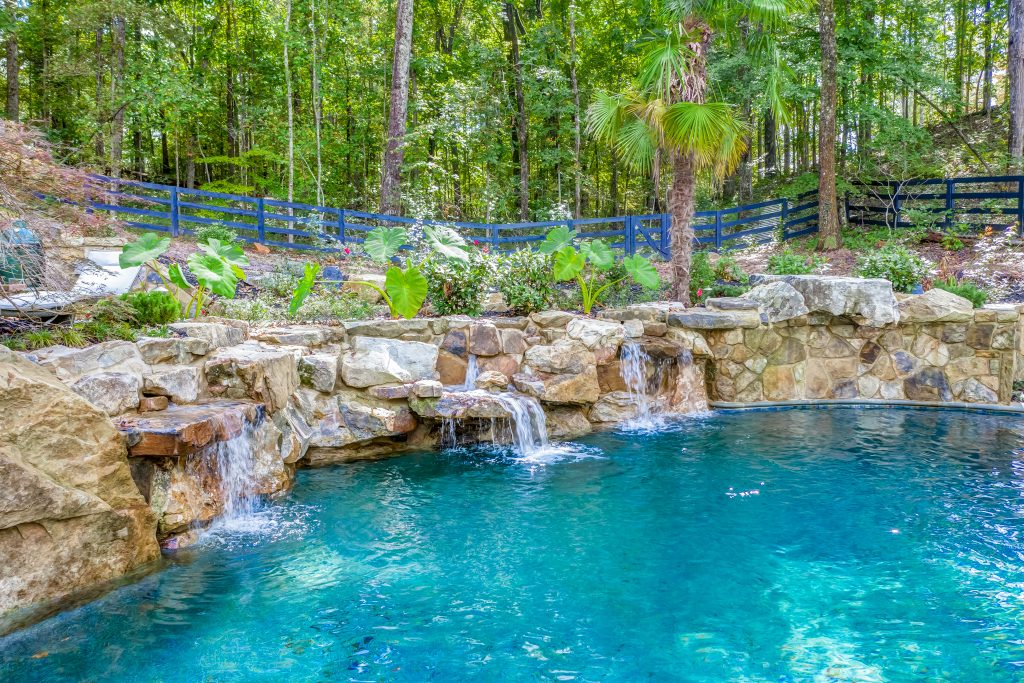
Step 3: Check Septic, Setbacks, Barriers, and Other Site Constraints Before Submission
The most expensive problems are often discovered after a design is finalized. Before submitting plans, take time to evaluate the conditions that could affect whether the proposed location works.
If your home is served by a septic system, do not assume the pool can be placed over or near septic components. You may need septic review or approval before the pool permit can proceed. The pool footprint, equipment area, access route, decking, and future maintenance access can all matter. Identify septic conditions early, before scheduling excavation.
Barriers deserve the same early attention. A pool barrier is a safety and code-compliance requirement that affects final approval. Fencing, gates, latching hardware, walls, doors, and the relationship between the home and pool area may all affect the final barrier solution. Include it in the original design conversation, not as an item left for the final week of construction.
Also identify:
- Property setbacks and easements
- Drainage paths and low-lying areas
- Retaining walls or grade changes
- Overhead and underground utilities
- Equipment access and excavation access
- Existing patios, structures, trees, and landscape features that affect the layout
Common rejection or delay risks
- Missing professional seals on required design documents
- A site plan that conflicts with the pool design or actual lot conditions
- Missing contractor affidavit or identification/business materials
- Unverified septic conditions
- Unclear barrier details
- Setback, drainage, utility, or access concerns discovered late
Step 4: Submit the Application and Plan for the Review Timeline
Cobb County guidance commonly presents an approximate 10–14 business-day review period for complete applications. That is helpful for planning, but it is not a promise that every project will be approved on the same timeline. Review time can change with application volume, project complexity, corrections, and missing information.
A practical homeowner timeline often looks like this:
- Finalize the pool concept, site layout, and pool design.
- Gather contractor documents, barrier information, and septic materials if needed.
- Submit the complete package to the correct jurisdiction.
- Receive and address plan-review corrections, if any.
- Obtain permit issuance.
- Schedule excavation and construction only after approval is in hand.
Do not schedule excavation based solely on application submission or a verbal expectation of approval. The project becomes much easier to manage when the construction schedule is tied to an issued permit and approved plans.
For current portals, forms, contacts, and submittal instructions, use the official Cobb County Community Development or City of Marietta department resources for the jurisdiction that governs your property. Forms and portal procedures can change, so official department instructions should take priority over older copies saved online or shared by a neighbor.
Step 5: Know the Inspection Sequence Before Construction Starts
Inspection planning belongs in the builder agreement before work begins. Homeowners should know who requests inspections, who meets the inspector if needed, what work must be ready before each inspection, and who responds if an inspector identifies a correction.
The precise inspection list depends on the issuing jurisdiction and the scope of work, but the expected workflow is generally:
- Permit issuance and approved plans available on site or as required.
- Permitted construction begins.
- Required in-progress inspections occur at applicable stages.
- Barrier and safety items are completed.
- Obtain final inspection and approval, which may include a certificate of occupancy or other final documentation when required.
Passing one inspection does not eliminate the need for later inspections or final approval. Likewise, changes made in the field without approval can create a problem. If the pool moves, dimensions change, a retaining condition is added, or barrier plans change, ask the issuing jurisdiction whether revised review is needed.
Keep a simple project file with:
- Permit number
- Approved plans and approved revisions
- Inspector or inspection scheduling contacts
- Inspection records and correction notices
- Barrier documentation
- Final inspection or final approval documentation
How to Vet a Cobb County Pool Contractor Before You Sign
A pool contractor should be ready to discuss the permitting process clearly, not vaguely. Reviews and project photos can help, but verify compliance through current records and a detailed written agreement.
Cobb County’s Certified Builder Professional requirement
Cobb County is the only county or city in Georgia that requires a pool builder to have a Certified Builder Professional (CBP) on staff. The CBP is a professional designation from the Pool & Hot Tub Alliance (PHTA) that covers pool construction disciplines such as site analysis, plumbing, structural considerations, excavation, shotcrete, and decking.
The requirement applies to the company, not to the pool plans. Plans do not need to be stamped or certified by the CBP; the builder simply needs a certified professional on its team. At Georgia Classic Pool, Andrew Dover, CBP, fills that role as a designer, project manager, and construction manager for outdoor living.
Ask any builder you are considering who on their staff holds the CBP designation.
Before signing, ask the builder to provide or identify:
- The applicable Georgia license or certification for the work, verified through the Georgia State Licensing Board for Residential and General Contractors or other relevant state board
- For projects permitted through Cobb County, the name of the Certified Builder Professional (CBP) on the company’s staff
- Current Georgia business credentials verified through the Georgia Secretary of State
- A current certificate of insurance
- A written contract with a clear pool scope, site work scope, payment milestones, cleanup responsibilities, and change-order process
- Written responsibility for permit submittal, review corrections, inspection scheduling, and barrier work
Important questions to ask include:
- Who submits the permit application?
- Who responds to plan-review corrections?
- Who schedules each inspection?
- Who papers the pool design and site plan?
- What happens if septic constraints, utilities, rock, drainage, or other site conditions change?
- Who is responsible for the final barrier solution and final approval?
The right contractor helps homeowners stay involved in the process. You should know what has been submitted, what has been approved, and what still needs to happen before the project is complete.
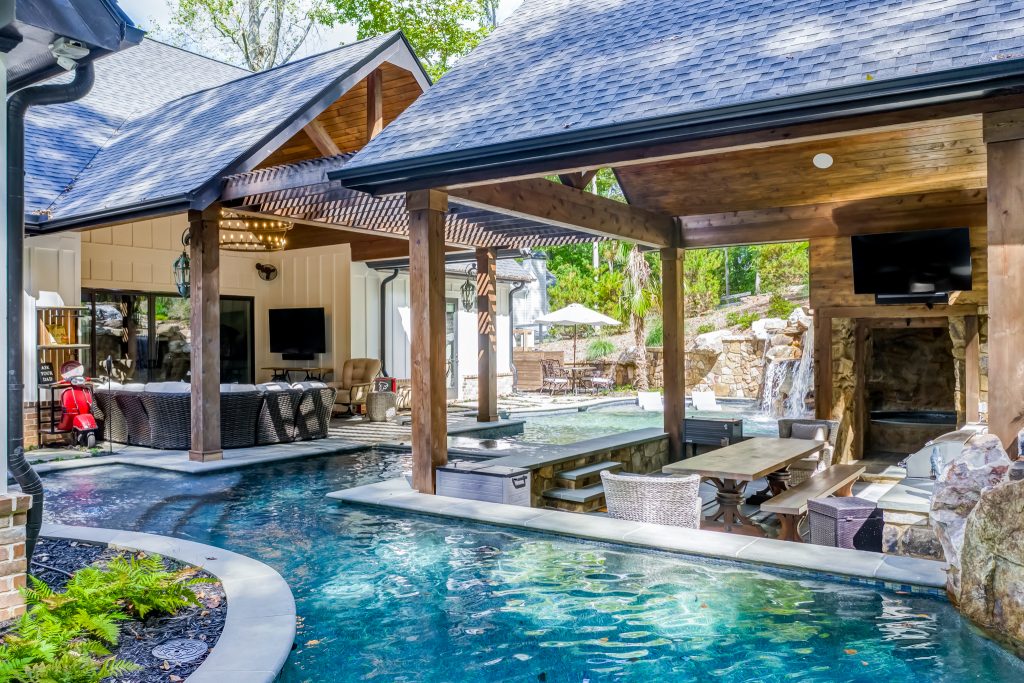
Residential Pools vs. Public Pool Rules
Residential pool permitting is often confused with public-pool health regulation. Georgia Department of Public Health materials, including health-related documents, may be relevant to commercial or public aquatic facilities. They do not replace local residential construction permitting requirements for a backyard in-ground pool.
Confirm residential construction approval, barrier compliance, and inspections with the local building authority that has jurisdiction over your property. Public-pool health guidance should not be used as a residential permit checklist.
Before arranging a large-volume fill or delivery, check current notices from the applicable local water provider, Cobb or municipal government, and Georgia state drought or water-use authorities. Conditions and restrictions can change, so avoid relying on an old social-media post or a prior year’s guidance.
Before You Build: Your Final Cobb County Pool Permit Checklist
Before committing to excavation, use this homeowner checklist:
- Verify the property jurisdiction using the address and parcel information.
- Confirm the current permit process with Cobb County Community Development, City of Marietta, or the applicable municipality.
- Finalize the pool design and a detailed site plan.
- Identify septic, setbacks, easements, drainage, utilities, access, and barrier needs.
- Verify contractor licensing, Cobb County’s Certified Builder Professional requirement, business credentials, insurance, and contract responsibilities.
- Submit complete documents and wait for permit issuance before scheduling excavation.
- Track inspections, complete the required barrier, and retain final approval records.
The right order matters: jurisdiction first, complete plans second, contractor verification third, then permit issuance and inspections. That sequence gives your project the best chance of starting with fewer surprises.
Frequently asked questions
Do I need a permit for an in-ground pool in Cobb County, Georgia?
Start by confirming whether the property is in unincorporated Cobb County or within an incorporated city such as Marietta, because the permitting authority and submission process may differ. Verify the property address and parcel information before plans are prepared or submitted. Most residential inground pools require permit approval before excavation or construction begins.
What documents are required for a Cobb County residential pool permit?
Read county guidance as a document checklist rather than a single application. Homeowners commonly need a site plan, pool design documents, barrier information, a contractor affidavit, and contractor identification or business materials. Cobb County also requires the pool contractor to have a Certified Builder Professional (CBP) on staff, though the plans themselves do not need to be stamped or certified. A septic-served property may also require septic-system review or approval before the pool permit can proceed.
How long does a Cobb County pool permit take in 2026?
Cobb County’s stated review timing is typically about 10–14 business days for a complete application. Incomplete plans, missing affidavits, setback or drainage issues, and septic questions can extend that timeline. Avoid scheduling excavation until the permit has been issued.
What should I verify before hiring a Cobb County pool contractor?
Ask the builder to identify the appropriate Georgia license or certification for the work, confirm the company has a Certified Builder Professional (CBP) on staff as Cobb County requires, provide current business credentials and a certificate of insurance, and put the scope, payment terms, change orders, permits, inspections, barrier work, and cleanup responsibilities in writing. Ask who submits the permit, responds to corrections, calls inspections, and handles changed site conditions. Do not rely only on ratings or verbal assurances.
Georgia Classic Pool serves homeowners looking for a thoughtfully planned backyard project, from early design decisions through construction coordination. If you are considering a pool in Marietta or nearby Cobb County, explore Georgia Classic Pool’s Marietta pool builder services and begin the conversation with a clear understanding of your property, design goals, and approval path.